
Astigmatism vs Lazy Eye: Understanding the Difference

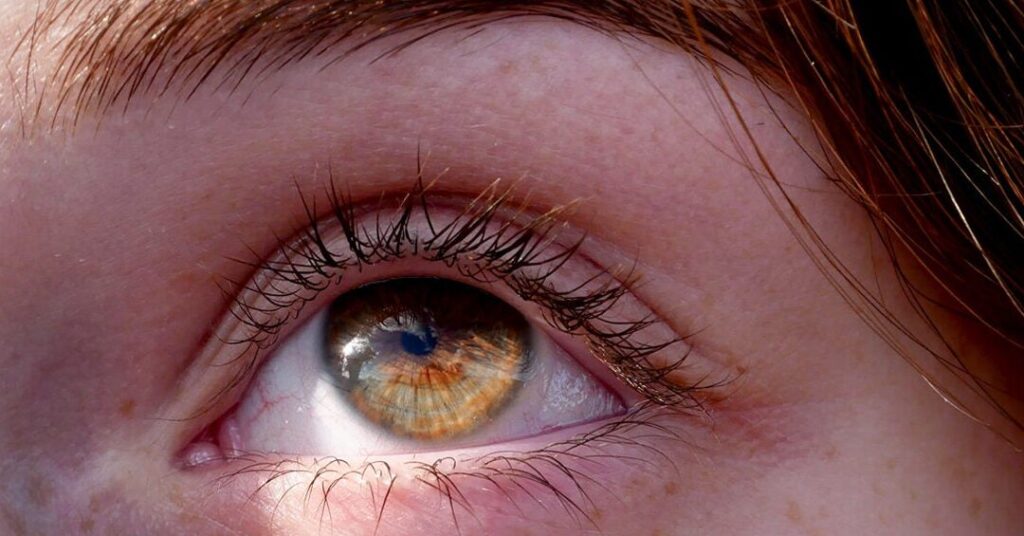
Many people believe that astigmatism and lazy eye are the same thing, but this is not true. While they can both affect vision, they are two different conditions with different causes and treatments. In this blog post, we will explore the differences between astigmatism and lazy eye.
Astigmatism
Astigmatism is a common vision condition that affects the way light enters the eye. Normally, the cornea and lens of the eye are smooth and evenly curved, which allows light to focus properly on the retina. However, in people with astigmatism, the cornea or lens is irregularly shaped, causing light to focus unevenly and resulting in blurred or distorted vision.
Astigmatism can be present at birth or develop later in life. It can also occur in combination with nearsightedness or farsightedness. Some common symptoms of astigmatism include:
- Blurred or distorted vision
- Difficulty seeing at night
- Eyestrain or headaches
Astigmatism can be diagnosed through a comprehensive eye exam, which may include visual acuity tests, refraction tests, and corneal topography. Treatment options for astigmatism include:
- Eyeglasses or contact lenses
- Refractive surgery, such as LASIK
Lazy Eye
Lazy eye, also known as amblyopia, is a condition where one eye does not develop properly during childhood. This can happen if the eye is not receiving clear visual signals from the brain, which can occur due to a variety of factors such as strabismus (eye turn) or a significant difference in prescription between the two eyes.
Lazy eye can cause a range of vision problems, including poor depth perception and difficulty seeing fine details. It can also increase the risk of other eye conditions such as squinting or a misaligned eye. Some common symptoms of lazy eye include:
- Difficulty seeing in 3D or judging distances
- Eye turn or squinting
- Poor depth perception
Lazy eye is usually diagnosed during childhood, as it is most effectively treated before the age of 7 or 8. Treatment options for lazy eye may include:
- Corrective eyewear, such as eyeglasses or contact lenses
- Patching the stronger eye to encourage the weaker eye to develop
- Vision therapy exercises to strengthen the weaker eye
The Difference
While astigmatism and lazy eye can both affect vision, they are caused by different factors and require different treatments. Astigmatism is a refractive error that can be corrected with eyeglasses, contact lenses, or surgery. Lazy eye, on the other hand, is a developmental condition that requires early intervention and may be treated with corrective eyewear, patching, or vision therapy exercises.
In conclusion, astigmatism and lazy eye are not the same condition. Astigmatism is a refractive error that can cause blurred or distorted vision, while lazy eye is a developmental condition that can cause poor depth perception and other vision problems. Both conditions can be effectively treated, but it is important to seek professional help from an eye doctor to determine the best course of treatment for your individual needs.
You may also be interested...