
The Drawback of Anti-Reflective Coating: Explained

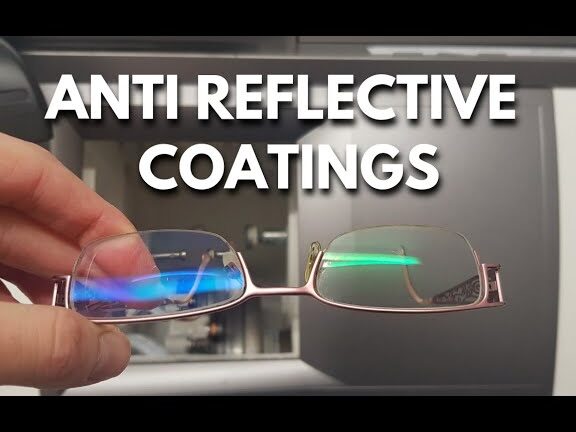
Anti-reflective coating (AR coating) is a type of optical coating applied to the surface of lenses to reduce reflection and maximize light transmission. It is commonly used in eyeglasses, camera lenses, and other optical devices. However, as with any technology, AR coating has its drawbacks that may not be immediately apparent to users. In this post, we will explore the disadvantages of anti-reflective coating and how they may affect your experience.
1. Scratching and Peeling
AR coating is applied to the surface of lenses, which makes it vulnerable to scratches, peeling, and other types of damage. This is especially true for eyeglasses, which are often exposed to harsh conditions and frequent handling. Even though AR coating can make lenses more durable, it is not a foolproof solution. Over time, the coating may start to peel or flake off, which can affect the clarity of your vision and reduce the effectiveness of the coating.
2. Cleaning Issues
AR coating can also create cleaning issues, as it tends to attract dust, fingerprints, and other types of debris. This can be frustrating for users who want to keep their lenses clean and clear. Additionally, cleaning AR-coated lenses requires special care and attention, as using the wrong cleaning products or techniques can damage the coating. For example, using abrasive materials or harsh chemicals can scratch or strip the coating, making it less effective over time.
3. Cost
AR coating can add to the cost of lenses, which may be a concern for some users. While the technology is becoming more affordable, it is still more expensive than regular lenses. The added cost may be worth it for users who prioritize optics and visual comfort, but it may not be a feasible option for everyone.
4. Durability
AR coating is not as durable as some other types of coatings, such as scratch-resistant or water-resistant coatings. This means that it may not last as long or provide as much protection as users would like. Additionally, the durability of AR coating can vary depending on the quality of the coating and the conditions in which it is used. For example, eyeglasses worn by active individuals may experience more wear and tear than those worn by individuals who are less active.
5. Visual Artifacts
AR coating can create visual artifacts, such as halos or reflections, especially in low-light or high-contrast environments. This can be distracting or even disorienting for some users, particularly those with certain visual impairments or sensitivities. While the effect is not always noticeable, it can be a concern for users who require sharp and clear vision in all conditions.
As you can see, anti-reflective coating has several disadvantages that may affect your experience. While the technology can improve optics and visual comfort, it also has limitations that users should be aware of. If you are considering AR-coated lenses for your eyeglasses or other optical devices, it is important to weigh the pros and cons carefully and choose a high-quality product that meets your needs.
You may also be interested...