
Understanding Eye Grades: Is 100 Eye Grade Normal?

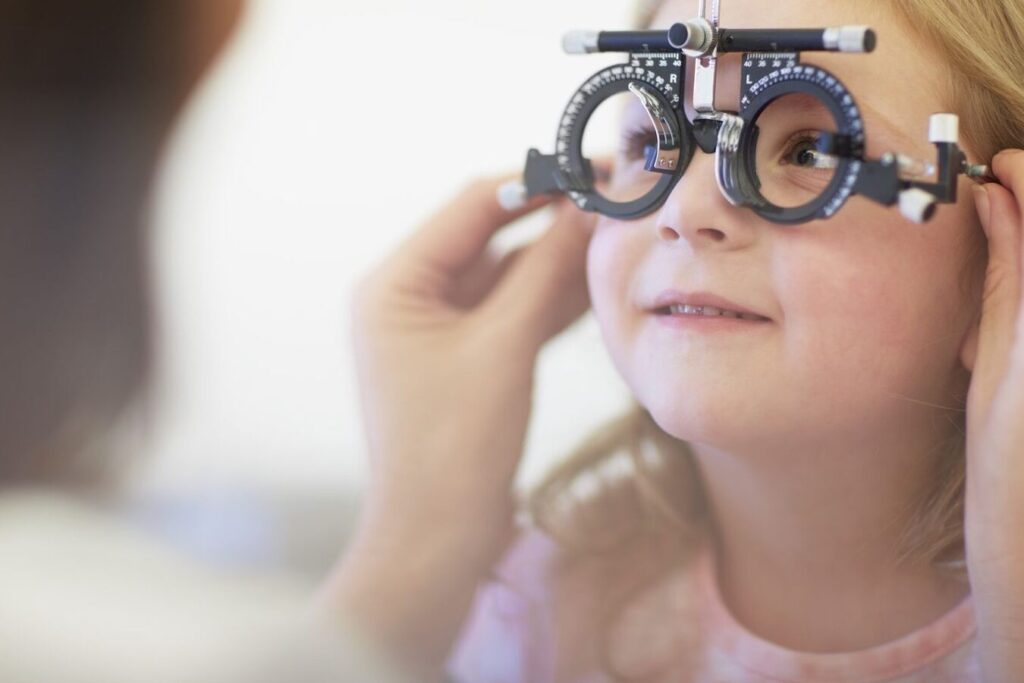
When it comes to vision, understanding the different grades of eyesight is essential. One common question that people have is whether a 100 eye grade is normal or not. In this article, we will explore what eye grades are, what a 100 eye grade means, and whether it is normal or not.
What Are Eye Grades?
Eye grades are a measure of the quality of your vision. They are usually expressed in terms of diopters, which is a unit of measurement for the refractive power of a lens. The higher the number, the more refractive power the lens has.
Eye grades are used to determine whether you need glasses or contact lenses to correct your vision. They are also used to monitor any changes in your vision over time.
Understanding 100 Eye Grade
A 100 eye grade means that you have perfect vision. It is often referred to as 20/20 vision. This means that you can see objects clearly from a distance of 20 feet, which is considered to be the standard distance for visual acuity testing.
However, it's important to note that a 100 eye grade doesn't necessarily mean that your vision is perfect in every way. For example, you may still experience eye strain or headaches even with a 100 eye grade.
Is 100 Eye Grade Normal?
Yes, a 100 eye grade is considered to be normal. It means that you have average visual acuity and can see objects clearly from a distance of 20 feet.
However, it's important to remember that there are other factors that can affect your vision. For example, if you have an underlying eye condition such as astigmatism or presbyopia, you may need corrective lenses even if you have a 100 eye grade.
Other Eye Grades
Here are some other common eye grades and what they mean:
- 20/40: This means that you can see objects clearly from a distance of 20 feet that a person with normal vision can see from a distance of 40 feet. This is the minimum visual acuity required to obtain a driver's license in most states.
- 20/60: This means that you can see objects clearly from a distance of 20 feet that a person with normal vision can see from a distance of 60 feet.
- 20/200: This means that you can see objects clearly from a distance of 20 feet that a person with normal vision can see from a distance of 200 feet. This is considered to be legally blind.
In conclusion, a 100 eye grade is normal and means that you have average visual acuity. However, it's important to keep in mind that there are other factors that can affect your vision, and if you have an underlying eye condition, you may still need corrective lenses even if you have a 100 eye grade.
You may also be interested...